To strengthen hromadas capacity and create conditions for a dignified and sustainable life of their residents by developing the local economy, implementing and scaling systemic solutions that increase economic activity, expand access to resources, and enhance financial resilience at the local level through employment and entrepreneurship.
Programme Vision
The hromada residents have the opportunity to provide themselves decently, participate in and influence the recovery and development of the hromada thanks to implemented systemic changes that have enabled the formation of a hromada ecosystem combining a resilient local economy, access to resources and services, social support for vulnerable groups of the population, as well as inclusive and sustainable local development.
Following forced displacement or loss of a familiar environment, many Ukrainians face challenges in employment, retraining, or business recovery. The Economic Resilience & Early Recovery Programme is the response of Right to Protection to these challenges.
The Foundation creates opportunities for internally displaced persons and the war-affected population so that people have a chance to adapt to new circumstances and realise their potential. Additionally, the programme helps hromadas to restore their capacity so that they can independently respond to challenges and plan sustainable development. Indeed, it is the capacity of hromadas that determines whether people will be able to find support, growth opportunities, and a sense of security in a new environment.
Economic Resilience & Early Recovery Programme implements the following activities:
Developing Hromada Fundraising Strategies
The Foundation helps hromadas to develop effective fundraising strategies. Such support enables them to learn to independently develop local initiatives and better respond to residents’ needs. The fundraising strategy helps to approach the attraction of financial, material, and human resources in a systematic way. Hromadas learn to prioritise and find partners for project implementation across all areas of socio-economic life. Specialists accompany the strategy development. In particular, they hold training and working meetings with representatives of local self-government bodies, civil society, and local business. Residents, initiative groups, and representatives of vulnerable population categories are actively involved in the process. In the long term, this approach contributes to considering a wide range of needs, development, and increased trust in authorities.
Project Management Training for Hromada Representatives
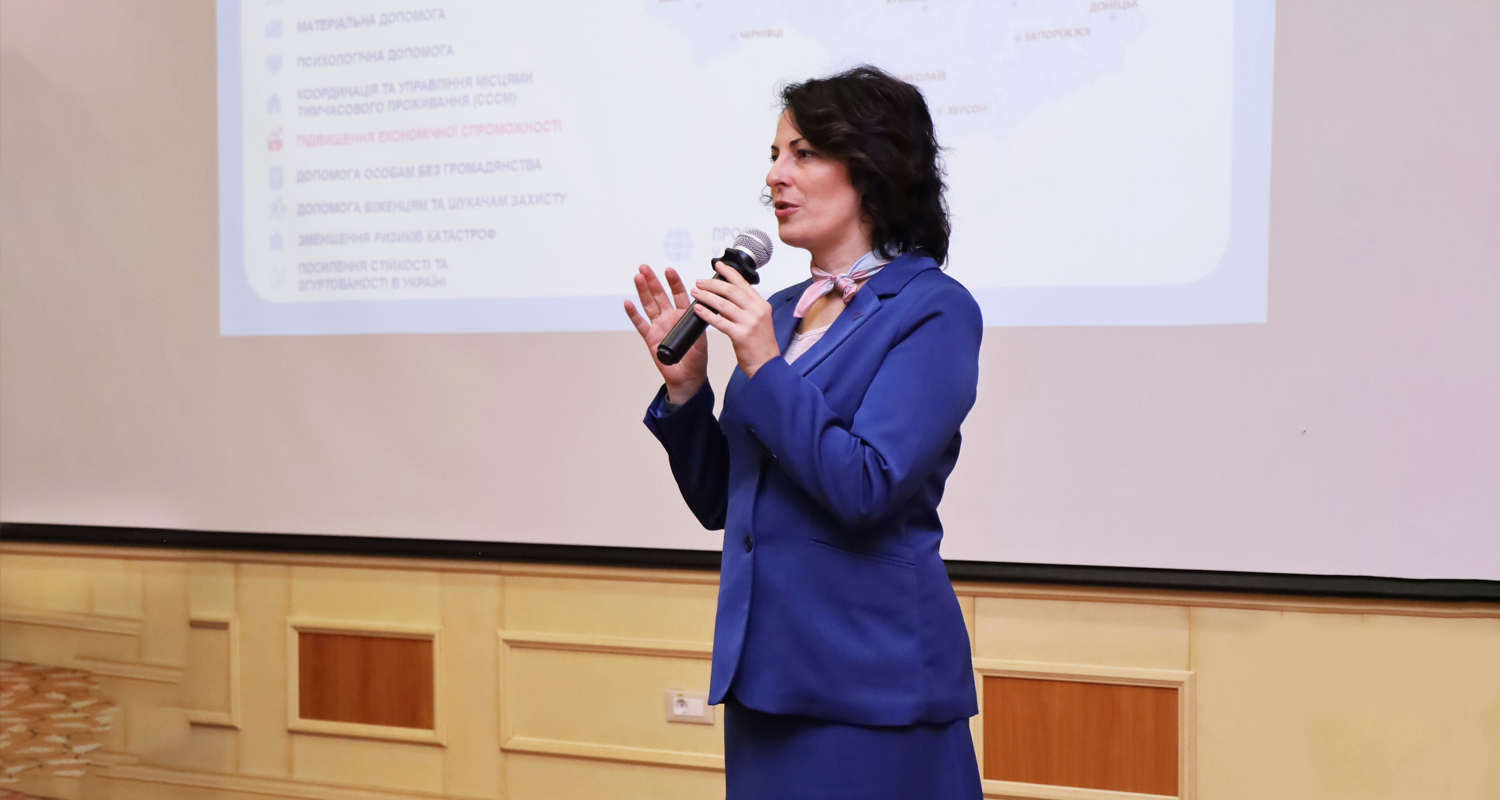
Right to Protection conducts project management training for hromada representatives, local self-government bodies, civil society, and business. The aim is to increase hromadas capacity to independently develop, implement, and evaluate projects.
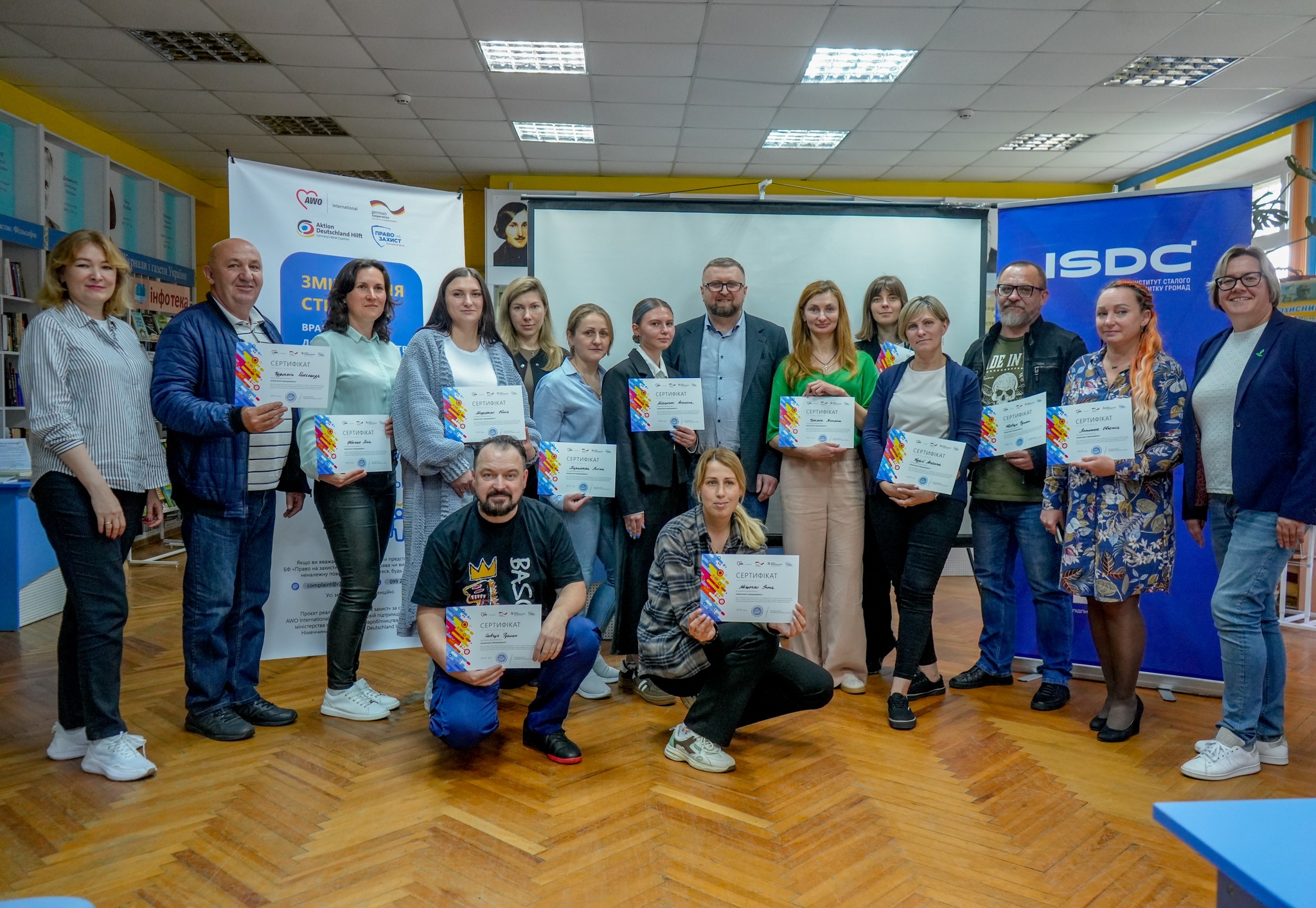
The trainings provide practical tools for planning, fundraising, budgeting, grant application writing, and team management. During training, participants work on their own ideas, receive feedback, and develop concrete solutions. The training programme considers reforms in the sphere of public administration and investment, strengthening local councils’ ability to implement changes. Hromadas gain specialists capable of attracting resources for development and supporting vulnerable populations. As a result, team competence grows and the ability to initiate change is strengthened.
Comprehensive Strengthening of the State Employment Service’s Capacity
The Foundation implements systematic work on increasing the efficiency of the State Employment Service through a combination of organisational and technical support. This approach includes upgrading the material and technical base of employment centres, which contributes to improving the quality and accessibility of services.
Also, regular training sessions are held for employment centre specialists, aimed at building resilience, preventing professional burnout, and enhancing professional skills. Concurrently, a methodological document on implementing case management is being developed to systematise individual client support and improve service delivery efficiency.
The Right to Business Educational Course
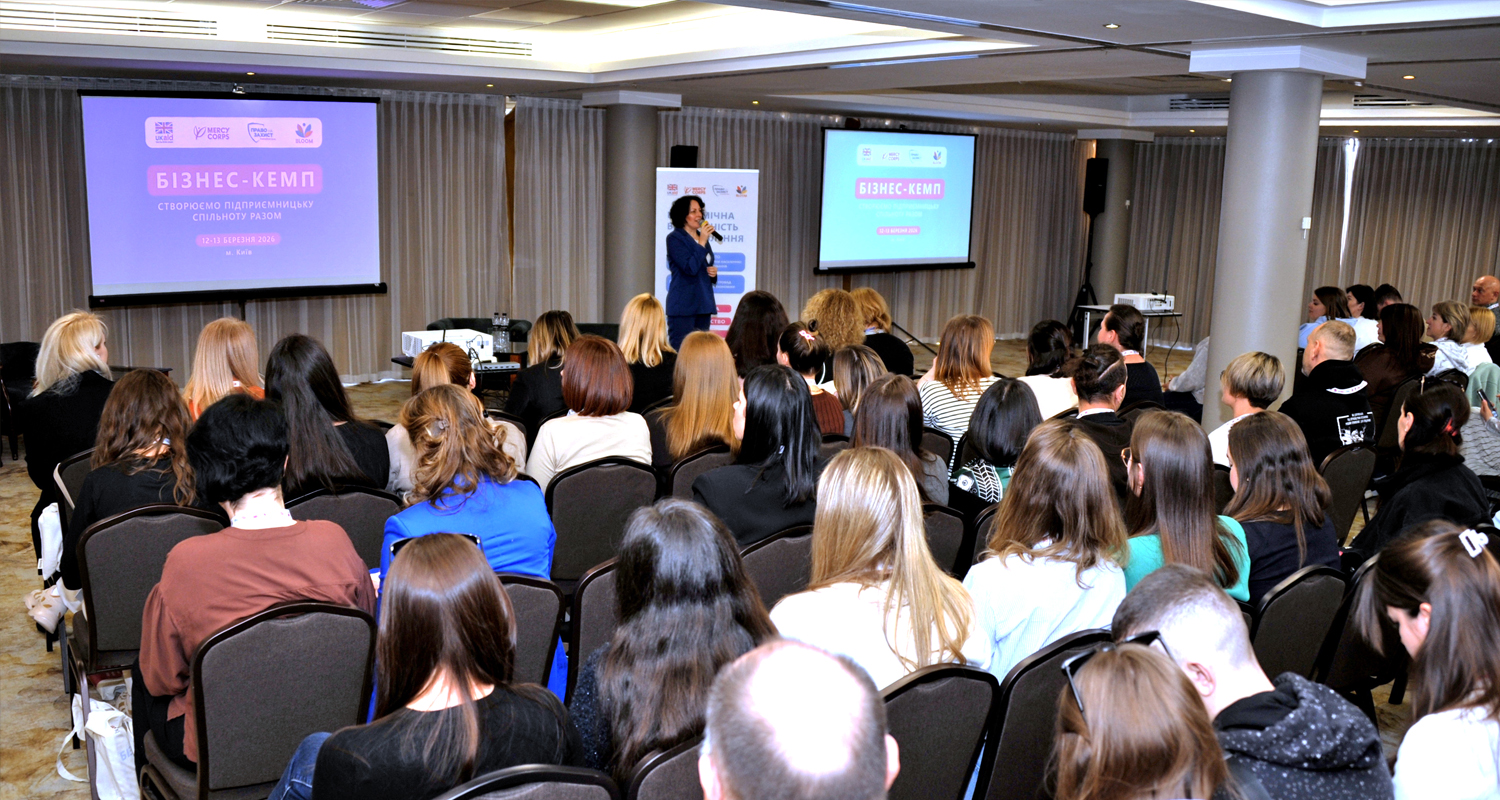
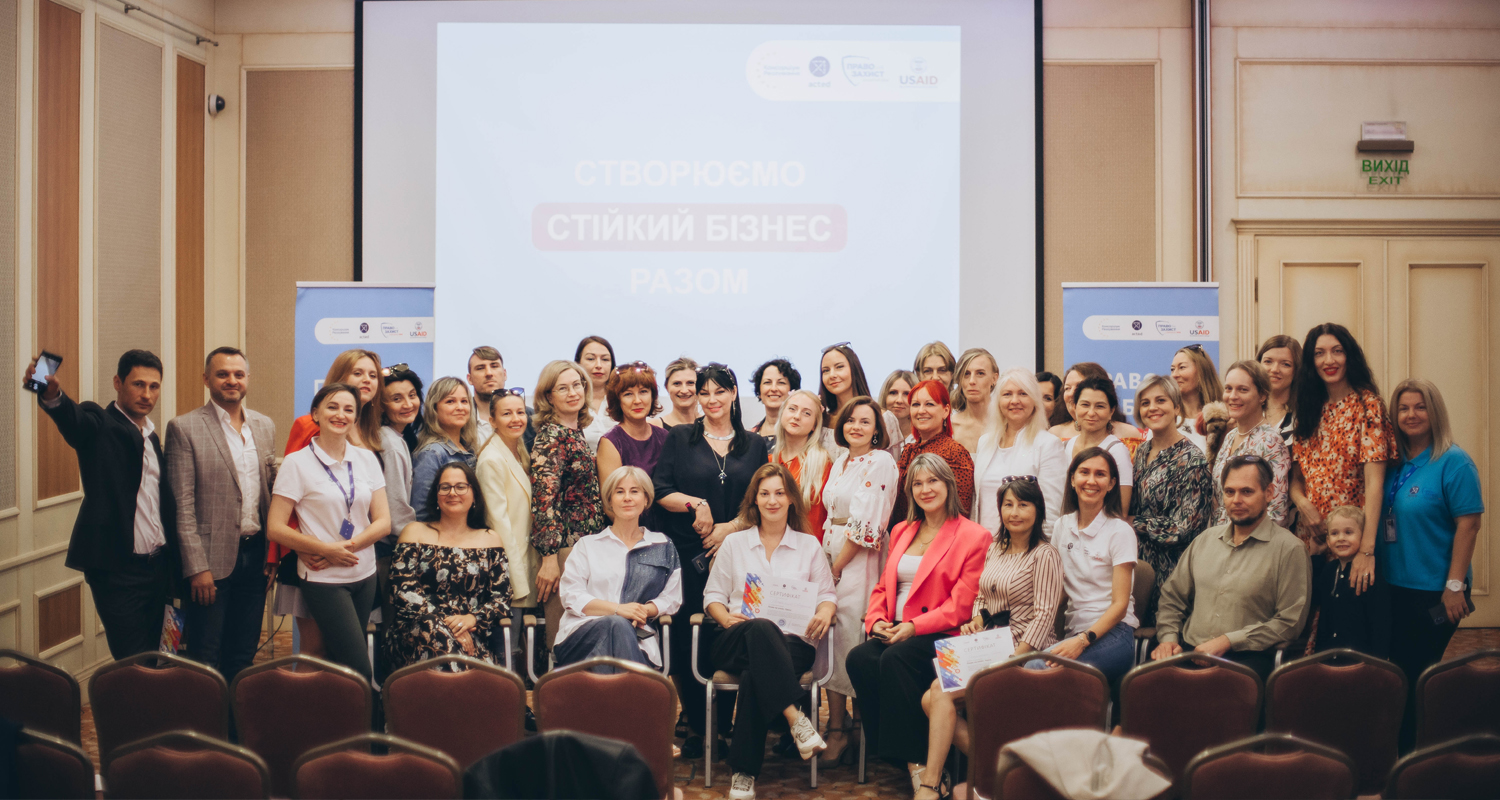
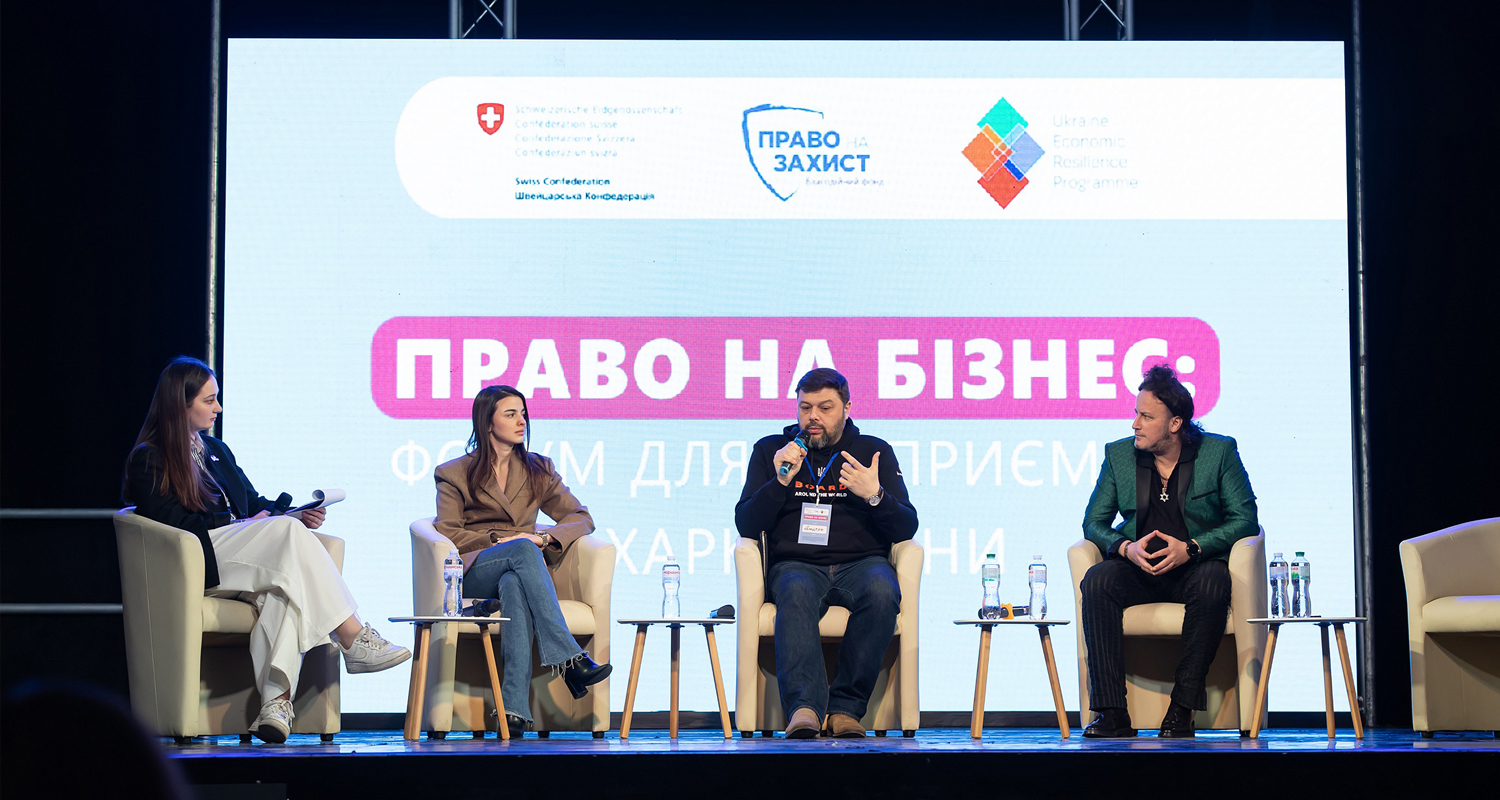
Right to Business is a comprehensive training programme for people wishing to start or relaunch their own business, in particular, after forced displacement or loss of business due to the war. The course helps develop entrepreneurial skills, better understand the needs of the target audience, learn to effectively manage finances, build development strategies, and attract grant support.
The programme covers business modelling, budgeting, marketing, legal and accounting aspects of entrepreneurship. Participants work with experts on their business plans, receive mentoring and coaching support, and join an entrepreneurial hromada, where they can exchange experience and partnerships. Thanks to this course, hundreds of graduates have successfully implemented their projects, obtained funding, scaled up, or transformed their businesses.
Retraining
The programme includes opportunities for professional retraining, including short-term courses that help the war-affected population acquire new in-demand professions or retrain. The courses target both those who have lost jobs and those seeking new opportunities for professional development.
Training covers modern fields: culinary arts, sewing, accounting, social media marketing, and more. After completing training at educational institutions, participants receive state-recognised certificates; after enterprise-based training, they receive programme completion certificates. During the retraining, participants receive full organisational support as well as ongoing assistance with employment or business startup.
Career Counselling
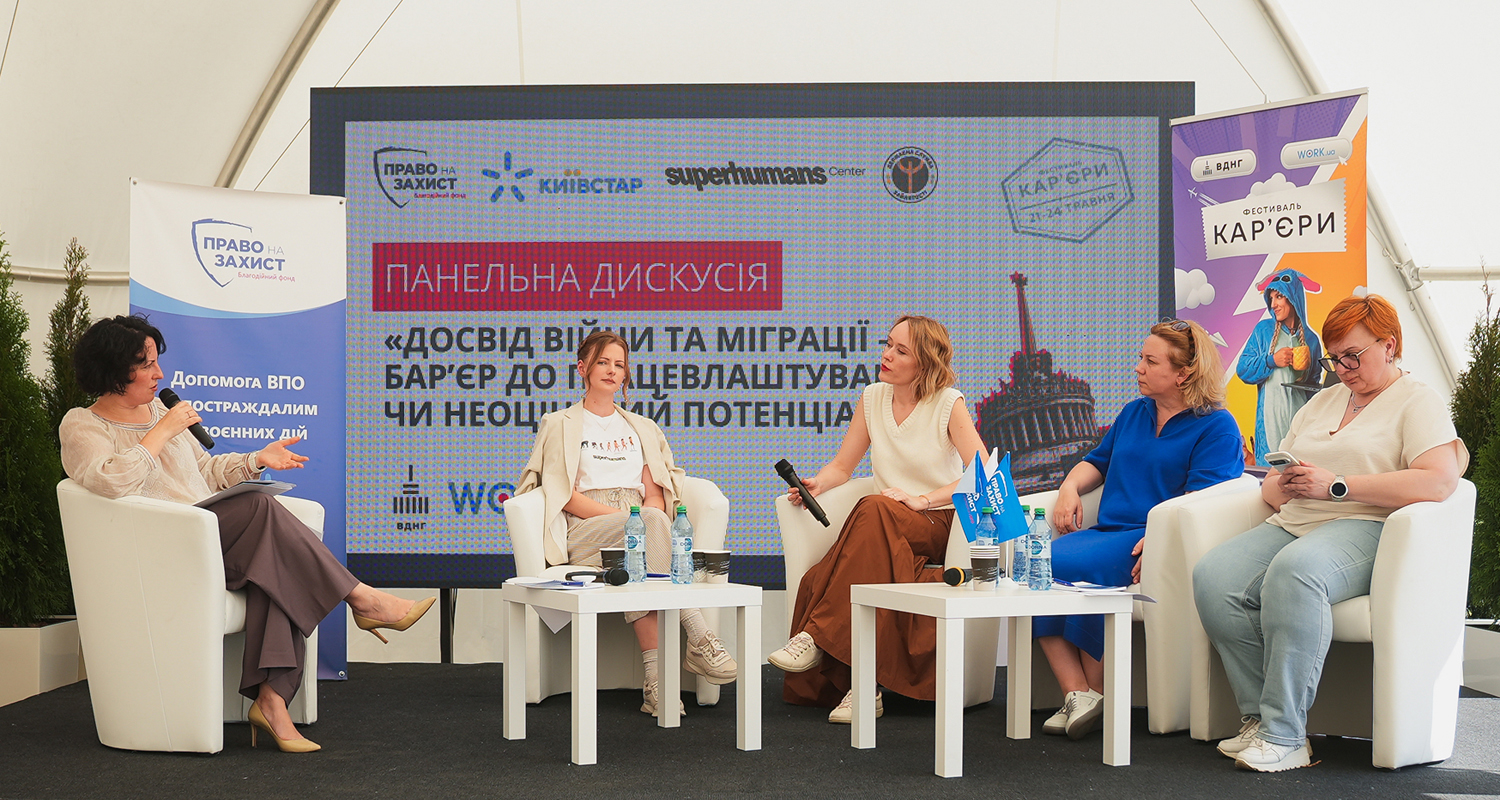
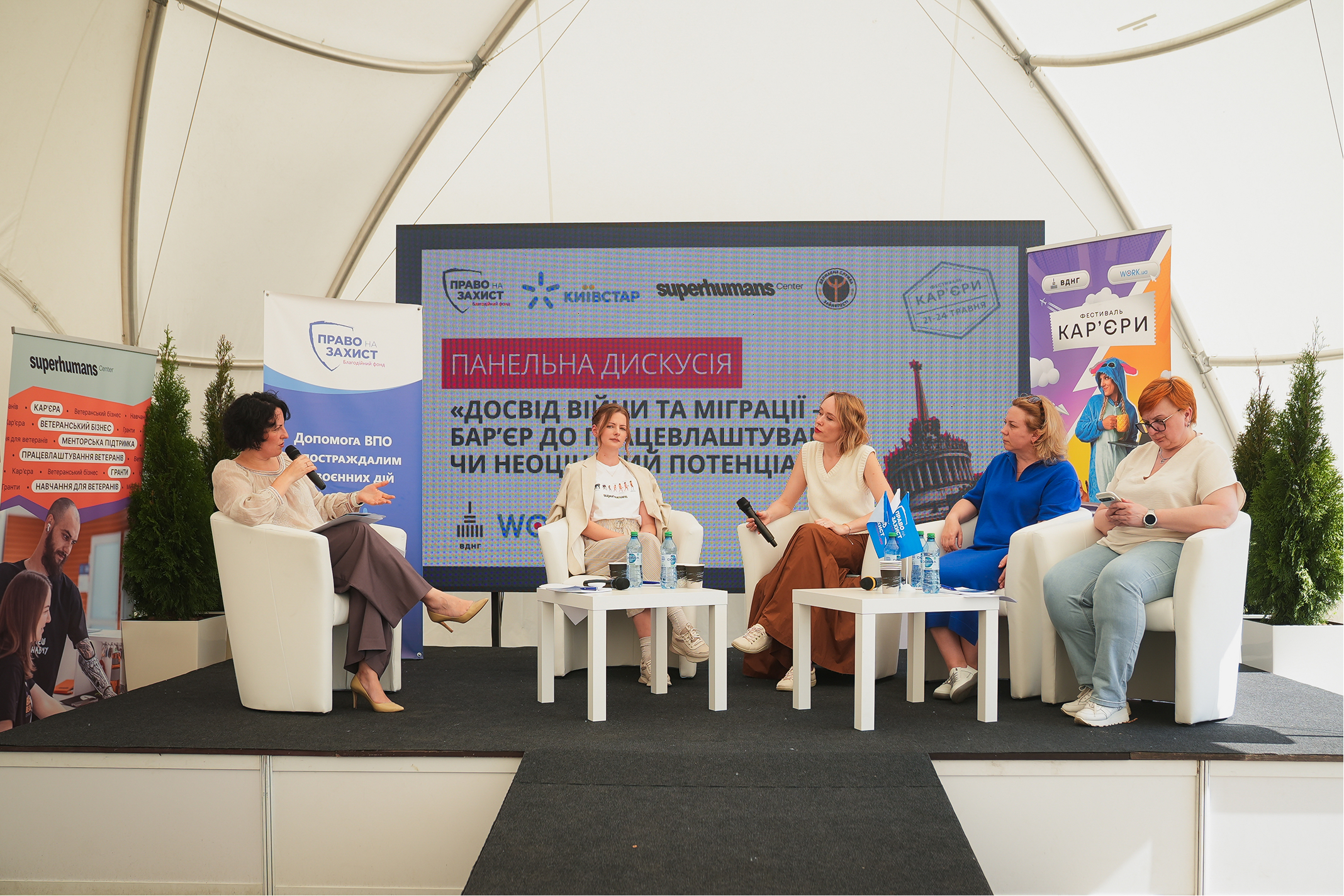
Career development specialists provide individual support during the job search process, assist with CV writing, prepare for interviews, and guide participants in the modern labour market. They also help identify educational opportunities for upskilling or career orientation and provide basic advice on self-employment and business startup. Counselling is tailored to each person’s needs and contributes to their return to active professional life.
Individual Online Legal Consultations
Lawyers provide online consultations on labour law issues under martial law conditions. The service covers a broad range of topics, including taxation features, registration of individual entrepreneurs (IE), restoration of personal documents, obtaining IDP status, transfer of social payments, tax nuances for employees, and documentation of war-related damages.
Individual Online Consultations on Business Accounting
As part of the programme, free online consultations are provided for current and potential entrepreneurs. They are targeted to those who have lost their business, paused entrepreneurial activities, or plan to start their own business. Specialists advise on taxation, reporting, IE registration, account opening, hiring employees, as well as using digital services and bookkeeping.
Holding the Competition for Targeted Non-Repayable Financial Assistance to Cover Labour Costs
The project aims to provide employers with the opportunity to receive targeted non-repayable financial assistance to cover labour costs for employing persons affected by the war, thereby creating job opportunities and enhancing the economic capacity of the war-affected population.