Protection Programme for IDPs and the War-Affected Population
Programme Mission
To protect the rights and dignity of the war-affected population by providing direct assistance, strengthening hromadas capacity, and transforming state policy based on evidence.
Programme Vision
Ukraine has a resilient and inclusive protection ecosystem where state policy is evidence-based, and the war-affected population and hromadas possess full agency to ensure their dignity, safety, and sustainable recovery.
The programme provides support to:
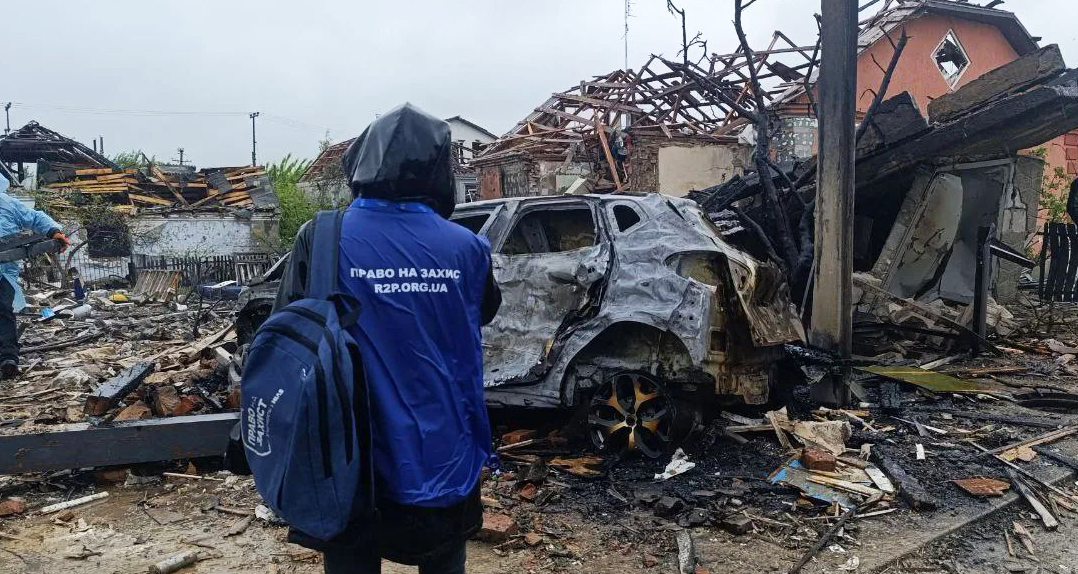
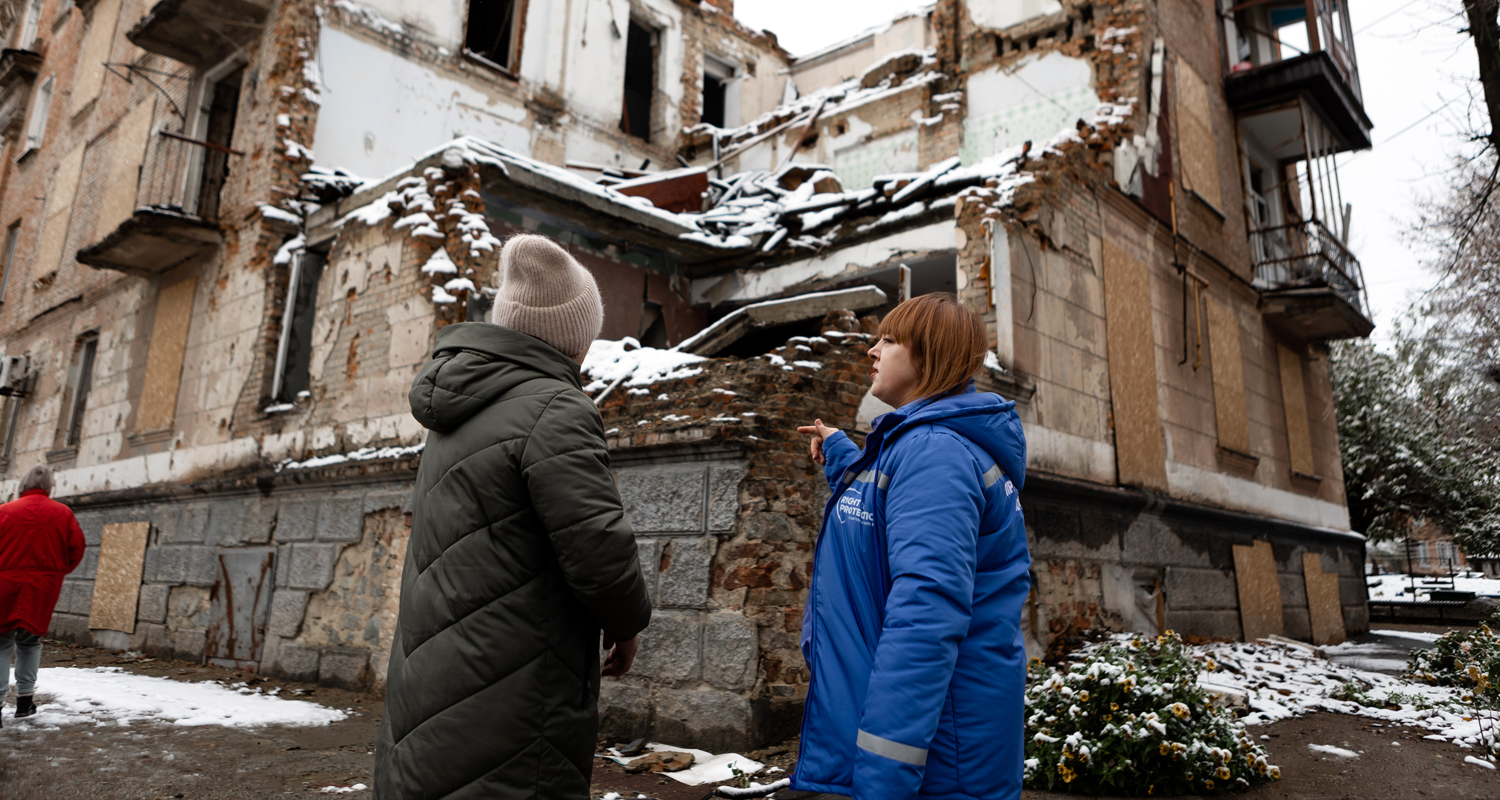
people affected by the humanitarian crisis (including evacuated households, families whose homes were damaged or destroyed, persons affected by shelling or other consequences of hostilities);
internally displaced persons who require stabilisation, access to services, and long-term solutions;
persons returning to their previous place of residence and having vulnerabilities;
residents of temporary accommodation sites (TAS) who need dignified living conditions and strategies for transition to sustainable housing and integration into host hromadas;
the most vulnerable population groups in acute crisis with barriers to accessing basic social services.
Key Programme Activities:
Extensive protection monitoring, thematic research, and hromada’s needs assessments
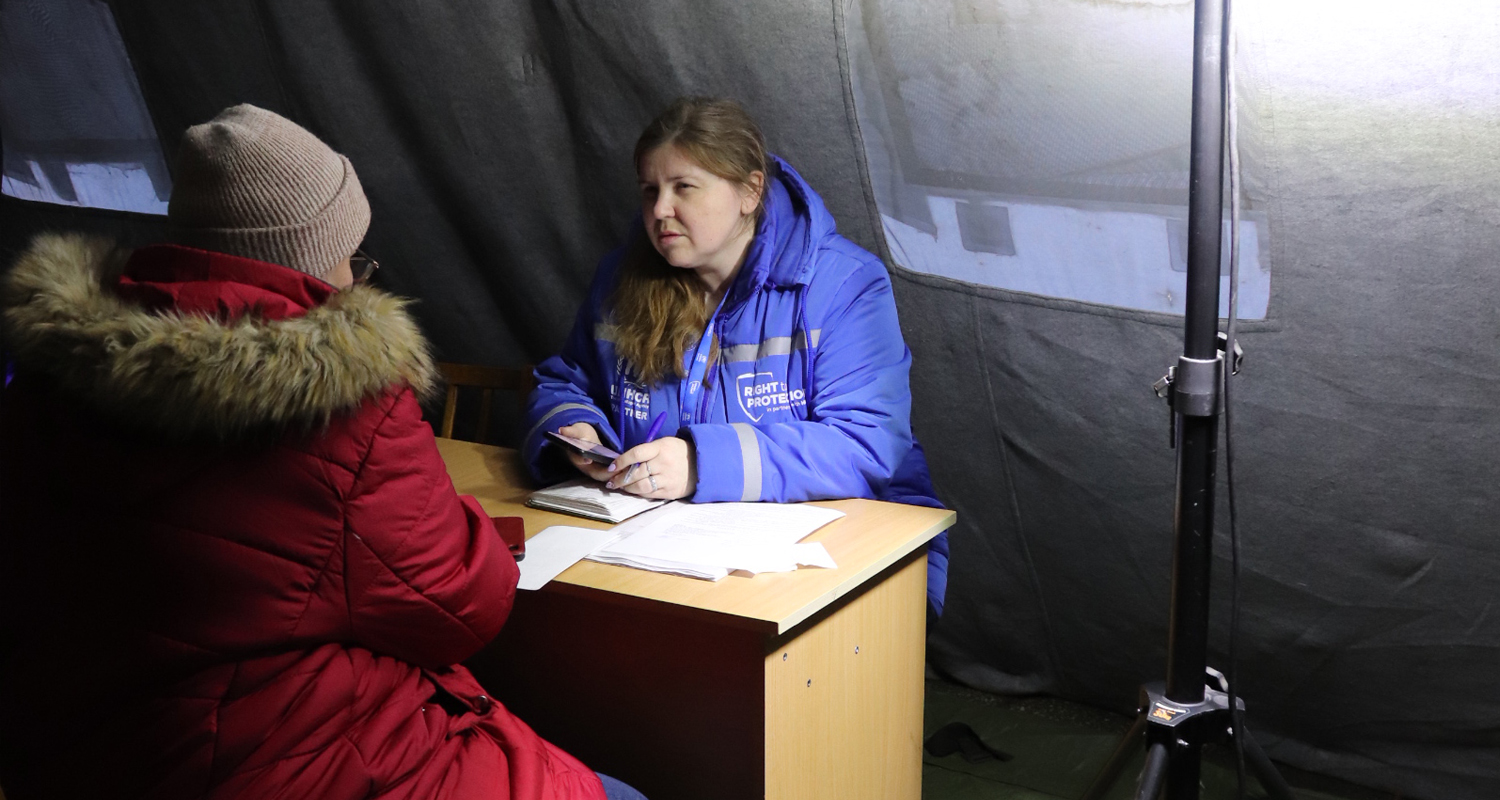
Consulting in the field of protection
Social services: case management, home care, accompaniment.
Social adaptation.
Creation and facilitation of working groups on protection issues
Grant support for hromada’s initiatives (CBI)
Creation and maintenance of appropriate living conditions in places of temporary residence
The programme implements activities across several components:
Protection Monitoring
R2P's monitoring service observes the rights and freedoms of IDPs and the war-affected population, assesses their needs and takes measures to protect beneficiaries.
The programme covers certain target groups of people:
internally displaced persons;
the war-affected population;
приймаючі особи/громади (з питань, що пов’язані з допомогою hosts/communities (on issues related to assistance to IDPs and the affected population).
Main tasks of the monitoring service:
develop an understanding of the processes of displacement as a result of war, related problems and the human rights situation during these processes;
identification and recording systemic gaps at the local and national levels to advocate for solutions for the integration and adaptation of IDPs;
dissemination of information about the Foundation's activities and types of assistance provided to beneficiaries;
identification of potential beneficiaries for further referral for legal aid, psychosocial support, cash and in-kind assistance, and social services;
establish relationships with other organisations and institutions to coordinate the efforts of stakeholders for quality assistance;
informing beneficiaries on non-legal issues.
Types of activities of monitoring specialists:
monitoring visit;
individual advising on non-legal issues;
group counselling on non-legal matters and joint group sessions with lawyers;
assistance in relocating IDPs and the war-affected population;
accompanying beneficiaries to institutions and organisations and assistance in solving problematic issues;
identification of institutions that take care of beneficiaries to provide humanitarian assistance;
identifying beneficiaries for humanitarian and/or cash assistance;
referring beneficiaries within the Foundation and to other organisations to receive the necessary assistance;
highlighting problems and shortcomings related to the support of IDPs and the war-affected population to local authorities;
advocating for legislative changes at the local level by submitting relevant proposals to the authorities.
The above-standardised types of assistance are partial. Other actions to protect beneficiaries are also possible if they do not contradict R2P's principles and do not constitute an abuse of power.
The map shows the regions where the protection monitoring programme is currently operating.
The map shows achievements of a programme in 2025. Click "Choose region" and "All regions" for general information or click on the area for details.
R2P works with communities and local governments to implement measures to facilitate the integration of IDPs and establish and build new ties in the community.
Since April 2023, the Register of Social Service Providers and Recipients has included the Foundation in the section of social service providers.
R2P delivers free social services to internally displaced persons and the war-affected population. Among them:
informing;
counselling;
representing interests (negotiations in state institutions on behalf of the recipient of social services; assistance in obtaining or restoring documents, etc.);
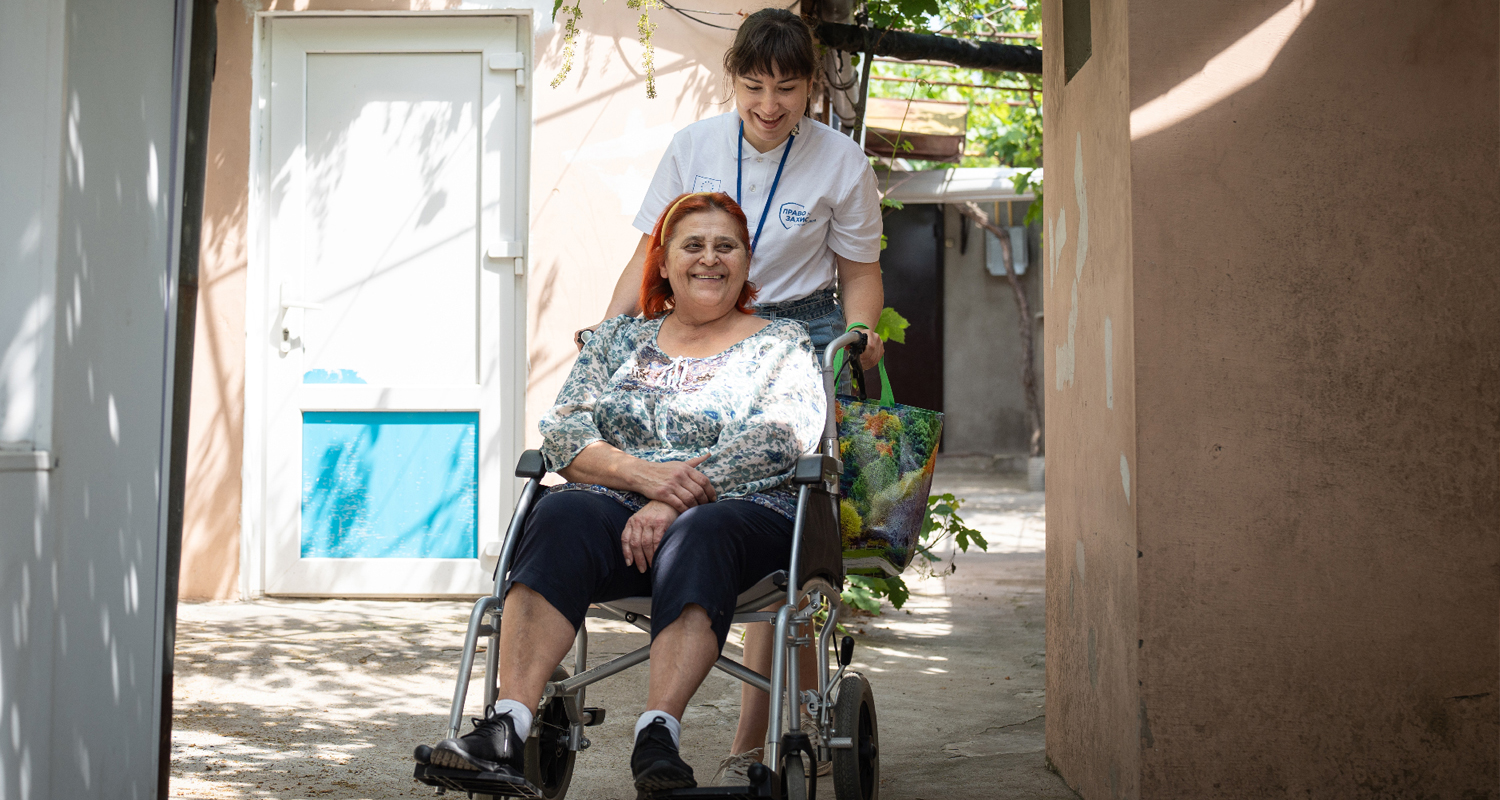
physical support of people with disabilities who have musculoskeletal disorders and use wheelchairs;
transport services for people with limited mobility;
social support of families/individuals in difficult life circumstances;
social prevention (a set of actions aimed at containing, limiting, and stopping negative social phenomena and their consequences).
Our employees:
help find temporary free housing for internally displaced persons and the war-affected population;
advise the war-affected population on receiving humanitarian aid, social assistance from the state, international and non-governmental organisations, obtaining disability certificates or community services for IDPs and privileged categories, the mechanism of providing monthly targeted assistance to IDPs to cover living expenses, including housing and utility bills, etc.;
transport and accompany beneficiaries to state authorities and healthcare facilities in case of reduced mobility;
manage cases, collect information about individual needs, plan, organise, and coordinate the process of providing social services;
carry out preventive measures in communities to mitigate the difficult life circumstances of beneficiaries;
work with children and adults, conduct intellectual and cultural events, creative workshops, and educational and entertaining interactive activities for children.
Our principles:
Individual approach.
Accessibility and openness.
Voluntary choice to receive or refuse social services.
Humanity.
Comprehensiveness.
Fairness.
Ensuring confidentiality.
The map shows the regions where the R2P's Social Assistance and Protection programme is currently operating.
The map shows achievements of a programme in 2025. Click "Choose region" and "All regions" for general information or click on the area for details.
The Latest News on Social Assistance and Protection
Camp Coordination and Camp Management (CCCM) refers to all activities aimed at coordinating and assisting in managing collective centres.
Within the framework of the CCCM, R2P works exclusively with collective centres and their residents.
The CCCM team provides support in five directions.
Assistance with Integration/Socialisation/Education
Our coaches facilitate adaptation in the new place of residence. They organise specialised training (offered and created independently and at beneficiaries' request, as well as inviting relevant specialists and partners). They also arrange leisure activities at the request of IDPs to get to know the community, acquire new knowledge and skills, and encourage them to learn new things.
Coordination and Assistance in Managing the Collective Centre
R2P's specialists actively interact with the administrations of collective centres and communities, help to resolve urgent issues, and implement specially developed documents (rules of settlement/eviction, responsibilities of residents, contracts, etc.) In addition, through cooperation with specialised, local, and international partners, gaps in assisting are closed. Our experts also organise training for representatives of the administration of collective centres.
Improving Living Conditions
The team has qualified engineers who assess the situation in the centres and solve everyday problems in cooperation with the responsible persons.
For example, they discuss the needs and provide materials for minor repairs (replacement of electrical wiring and water supply/drainage systems) and deliver household appliances (stoves, refrigerators, washing machines, etc.).
Legal and Advocacy Support
The introduction of legal regulation of legal relations between the host community and CC residents is the basis for protecting the rights of IDPs. Our lawyers are always on top of the legal needs and document the residence of people in collective centres, thus protecting their stay and regulating the relations with the administration.
Support for Initiative Groups
The teams respond to the suggestions of proactive residents by organising initiative groups where people express their ideas and offers on various areas of life and their positive changes in the communities and centres where they live.
Thus, our specialists hear and implement their thoughts, ideas, and suggestions. When we fulfil these requests, the team documents the creation of an initiative group. Our experts also implement and devise initiatives while organising training. The CCCM team collaborates with partners to help individuals realise their dreams.
Multifunctional space
Textile workshop
Playroom
Geographical Coverage
R2P's compact settlement management teams operate in ten oblasts: Cherkasy, Dnipro, Donetsk, Kharkiv, Kyiv, Poltava, Sumy, Vinnytsia and Zaporizhzhia. Total number of CCs covered: 176.
The map shows the regions where the CCCM programme is currently operating.
The map shows achievements of a programme in 2025. Click "Choose region" and "All regions" for general information or click on the area for details.
Protection at the Hromadas’ Level at Right to Protection is an approach aimed at strengthening local hromadas’ capacity to independently identify risks, respond to challenges, and create a safe and supportive environment for people affected by the war.
This approach is based on the belief that the most effective solutions emerge through the active participation of residents, local self-government bodies, civil society organisations, and other local partners.
The Fund works to ensure hromadas do not only respond to individual problems but also develop sustainable mechanisms for their resolution. To achieve this, the team:
supports the creation and development of working groups on protection issues;
conducts hromadas’ context analysis assessments;
organises dialogue events;
helps develop local response algorithms to challenges related to the integration of internally displaced persons and other vulnerable groups of the population.
Currently, the direction covers:
Support for hromadas’ initiatives
Facilitation of dialogue between different population groups
Development of social cohesion
Conducting training for hromadas’ representatives
Implementation of local solutions aimed at improving access to services, participation in hromada’s life, and human rights protection
Our goal is to help hromadas become more resilient, cohesive, and capable of independently responding to today’s challenges.
The map shows the regions where the Protection at the Hromadas’ Level programme is currently operating.